From Descriptive to Predictive
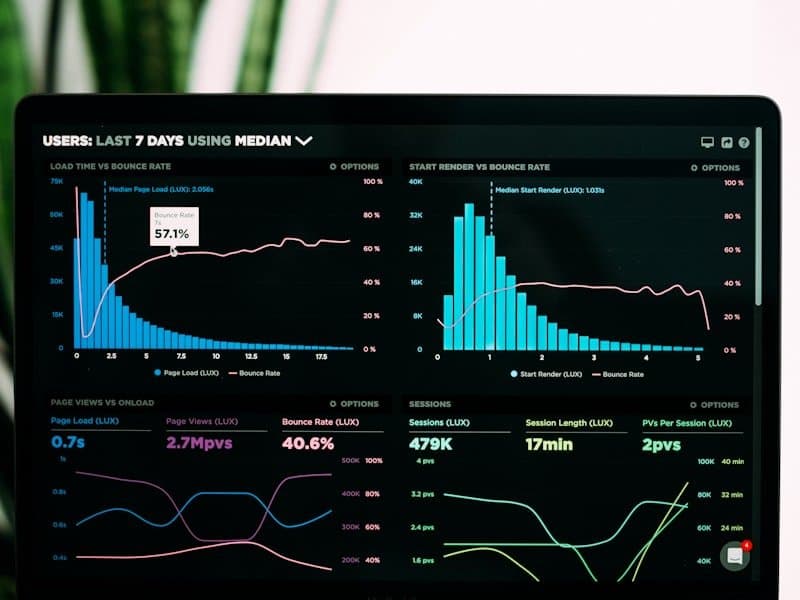
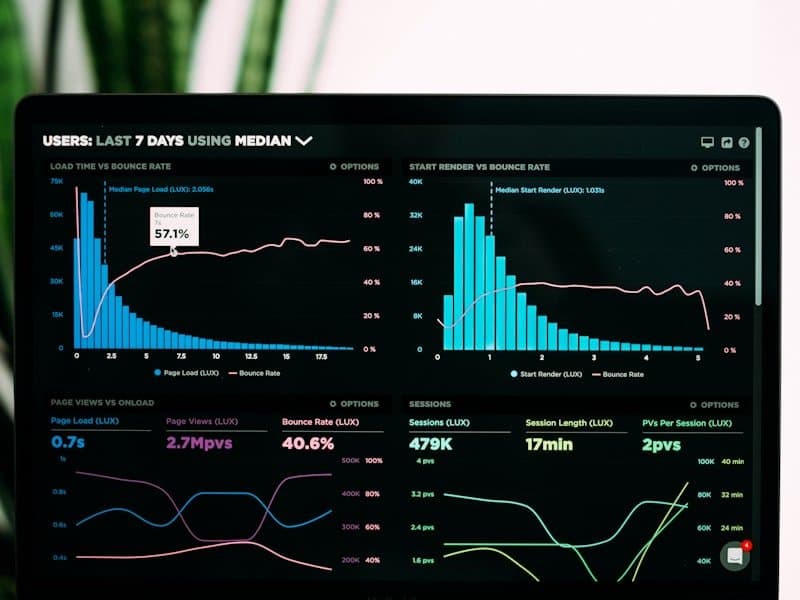
Most businesses are stuck in descriptive analytics — understanding what happened. Predictive analytics takes the next step: forecasting what will happen, enabling proactive decision-making.
Common Use Cases
Demand Forecasting
Predict future demand based on historical sales, seasonality, economic indicators, and external factors. Applications include:
- Retail inventory planning
- Manufacturing production scheduling
- Workforce capacity planning
Customer Churn Prediction
Identify customers likely to leave before they do, enabling targeted retention campaigns:
- Analyze usage patterns, support interactions, and payment history
- Score customers by churn risk
- Trigger automated retention workflows for high-risk accounts
The value of predictive analytics is not in predicting the future perfectly, but in making better decisions under uncertainty.
— CTO, SDI
Getting Started with Predictive Analytics
Data Requirements
- At least 12-24 months of historical data
- Clean, consistent data with minimal gaps
- Relevant features that correlate with the target variable
Tool Options
- Python (scikit-learn, pandas) — Flexible and widely supported
- Cloud ML Services — AWS SageMaker, Google Vertex AI for managed workflows
- AutoML Platforms — For teams without deep ML expertise
Start with a well-defined problem, clean data, and a simple model. Complexity can come later as you validate the approach.